Proven Home Builder Services for Your Dream Project
Determining a reputable home builder is a pivotal step in bringing to life one's perfect home. Essential qualities, including effective project management and transparent budgeting, can greatly impact the outcome. In addition, grasping the essential services a builder ought to offer is equally important. As homeowners navigate this intricate undertaking, several factors warrant careful consideration. What specific attributes should one emphasize most when engaging a builder for this substantial investment?
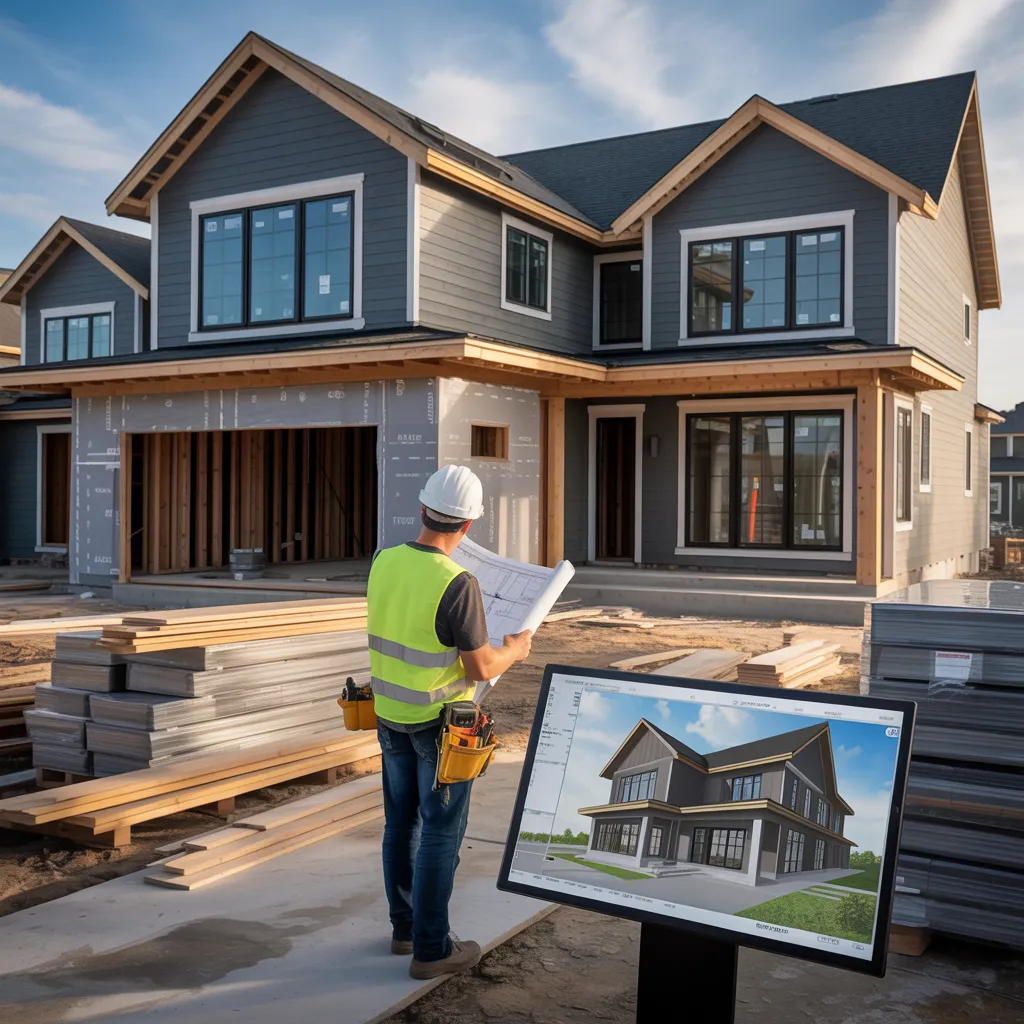
Important Aspects of a Honest Home Builder
When choosing a home builder, understanding the essential qualities that define a reliable professional is crucial. Honesty stands at the forefront; a reliable builder ensures transparency in all transactions, guaranteeing clients are educated and comfortable throughout the process. Expertise also plays an important role; seasoned builders have the understanding to manage challenges effectively and can direct clients through complex design and regulatory matters.
Additionally, excellent interpersonal abilities are necessary, as they enable clear interactions and quick replies to client inquiries. A trusted contractor should also demonstrate a dedication to excellence, using long-lasting supplies and expert workmanship to secure enduring outcomes. Finally, positive client testimonials and a strong body of work reflect a builder's reputation and dependability. By identifying these key qualities, clients can make informed decisions and choose a builder who matches their vision and values.
Primary Features a Quality Home Builder Ought to Provide
A professional home builder offers a selection of important services that promise a smooth and successful construction process. First, they offer extensive design and planning services, which consist of consultations to comprehend the client's vision and preferences. This secures that the project fits with the homeowner's expectations from the outset.
Moreover, a respected builder administers all mandatory permits and regulatory compliance, facilitating the often intricate legal requirements of construction. They also present project oversight services, managing subcontractors, materials, and timelines adeptly to reduce delays and disruptions.
Furthermore, quality home builders often provide transparent budgeting and cost estimation, enabling clients to choose wisely throughout the project. After construction, many builders deliver services such as guarantees and after-build assistance, guaranteeing lasting contentment. By offering these essential services, a trustworthy home constructor plays a pivotal role in transforming a dream project into a reality.
Primary Standards for Reviewing a Builder's Track Record
When evaluating a contractor's portfolio, several key criteria stand out as vital signs of quality. Range of projects and breadth, craftsmanship, and design consistency are important factors in gauging a builder's ability to meet diverse client needs. These factors together offer insight into the construction professional's experience and overall aesthetic vision.
Project Range and Variety
Project diversity and range serve as key indicators in evaluating a builder's portfolio. A broad range of projects showcases the builder's flexibility and expertise in handling different styles and requirements. This includes residential homes, renovations, and commercial spaces, demonstrating the builder's ability to meet varied client needs. Appraising the scope also involves examining project sizes, from small-scale remodels to large custom builds. A builder with experience across multiple project types demonstrates a thorough understanding of industry standards and challenges. Additionally, a well-rounded portfolio indicates a builder's ability to innovate and customize solutions, guaranteeing that they can translate a client's vision into reality, regardless of complexity or scale. This variety ultimately contributes to a builder's reputation and reliability.
Excellence in Artisanship
The quality of craftsmanship is a fundamental aspect in evaluating a builder’s portfolio, reflecting the ability and careful attention to detail behind their work. Prospective homeowners should attentively review completed projects, noting the precision of finishes, structural soundness, and overall aesthetics. High-grade craftsmanship typically displays premium materials and techniques, clear in smooth surfaces, precisely positioned fixtures, and sturdy installations. Builders prioritizing craftsmanship generally commit to excellence, ensuring that every part meets high benchmarks. Additionally, client feedback can provide insights into the builder's reliability and commitment to quality. By considering craftsmanship, homeowners can make informed decisions, ensuring their chosen builder aligns with their vision for a well-executed project.
Uniform Design and Visual Approach
Design consistency and style are essential elements in evaluating a builder's portfolio, as they demonstrate the overall direction and visual unity of completed projects. A portfolio showcasing varied designs may suggest versatility; however, it should still maintain a recognizable style that aligns with the builder's brand. Clients should seek out harmonious color schemes, complementary materials, and cohesive architectural features across different homes. Attention to detail in design aspects, such as trim and lighting, additionally demonstrates a builder's commitment to consistent style. Additionally, noting how a builder adapts their design principles while still achieving a cohesive look across multiple projects can provide insight into their creative capabilities. Ultimately, design consistency guarantees clients that their vision will be realized seamlessly.
Why Honest Communication Proves Vital in Home Building
Exchange of information that is lucid serves as a cornerstone in home building, as it creates the groundwork for setting forth expectations among all involved parties. When challenges arise, strong communication expedites quick problem-solving, curtailing delays and miscommunications. Moreover, open and honest dialogue nurtures relationships grounded in trust, which are indispensable for successful project completion.
Establishing Expectations Clearly
Effective exchange of information plays an essential role in the home building process, creating the foundation for a winning project. Clear expectations between homeowners and builders must be defined to prevent misunderstandings. This requires outlining timelines, budget constraints, and design preferences from the very beginning. When these expectations are communicated properly, both parties can unify their visions and goals, resulting in a smoother workflow. Through regular updates and open dialogue, transparency is maintained, helping homeowners to stay involved and informed during the project. Additionally, clear expectations empower builders to manage resources efficiently, avoiding delays and potential conflicts. By focusing on clear communication, homeowners and builders can work together effectively to realize the dream project without unnecessary complications. In the end, this strategy boosts satisfaction and trust in the home building experience.
Streamlining Efficient Problem-Solving
Navigating the intricacies of home building often demands swift decision-making and problem-solving. Effective communication between builders, clients, and subcontractors is key to tackling unexpected challenges successfully. When difficulties emerge, timely and clear dialogue makes possible immediate problem detection, reducing delays and lowering stress. Home builders emphasizing open lines of communication are able to efficiently transmit information, ensuring alignment among all parties about solutions. This forward-thinking method encourages swift problem-solving while enabling clients to make well-informed choices. By cultivating clear communication habits, home builders improve their capacity to overcome obstacles proficiently, leading to find now successful project completion and stakeholder satisfaction.
Building Dependable Partnerships
Building reliance among all contributors in home construction requires consistent communication. Clear dialogue supports collaboration between homeowners, builders, and subcontractors, ensuring everyone is aligned on project goals and expectations. Regular updates and open channels for feedback facilitate the timely resolution of concerns, preventing misunderstandings. When builders convey timelines, budgets, and potential obstacles transparently, homeowners feel more secure in their investments. Additionally, establishing rapport encourages a cooperative atmosphere, which can lead to innovative solutions and creative input. Ultimately, by prioritizing effective communication, all stakeholders can forge stronger relationships, paving the way for successful projects and satisfied clients. This trust enhances the overall experience, making the home-building journey more enjoyable and less stressful.
Tips for Handling Your Home Budget Effectively Intelligently
How might homeowners confirm their finances match up with their dream home ambitions? A comprehensive budget is crucial for making deliberate decisions. First, homeowners should examine their economic position by summing total income, existing debts, and periodic costs. This assessment helps determine a realistic budget for home erection.
Next, formulating a thorough list of budgeted costs is important. Property owners should include land acquisition, materials, labor, permits, and surprise expenses, often known as a reserve fund. Establishing a order of importance for features can direct spending and guarantee core requirements are funded first.
Additionally, property owners should investigate financing options, such as mortgages, grants, or savings, to secure necessary funds. Consistently monitoring costs against the budget can help sustain fiscal responsibility throughout the project. By following these approaches, property owners can effectively manage their finances and bring their dream home to fruition without overspending.
Important Details for the Home Building Procedure
As homeowners undertake the process of building their desired property, understanding the several components of the development sequence is crucial for a successful outcome. The process typically commences with initial planning stages, where homeowners work with builders to establish designs, budgets, and timelines.
Once plans are authorized, the groundwork begins, which encompasses site preparation and laying the foundation. Following this, the framing phase establishes the home's structure, enabling a better vision of the final product. After framing, utilities such as pipe work, electrical, and HVAC get installed.
Then, interior and exterior finishes are applied, converting the area into a comfortable home. The ultimate phase entails inspections and obtaining required permits before closing. Throughout this journey, open communication with builders ensures that the project stays on track, aligning with the homeowners' expectations and vision.
Frequently Raised Inquiries
How Do I Choose the Right Home Builder for My Build?
To determine the right home builder, one should examine their reputation, review past projects, check licenses and protection, evaluate interaction styles, and procure complete quotes. Referrals from people you know and online reviews can also furnish valuable understanding.
What Warranties Are Usually Offered by Home Builders?
Home firms typically present warranties that cover structural defects, construction quality, and materials. Customary terms run from one to ten years, establishing shields against major concerns surfacing after construction, encouraging buyer confidence and gratification.
Is it Possible to Make Changes During the Construction Process?
Modifications during the building process are commonly achievable, but they may be influenced by the contract and stage of construction. Homeowners should speak with builders promptly to examine options and any potential impacts on timelines and costs.
What Timeframe Should You Anticipate for a Typical Home Construction?
A conventional home project generally requires 6 to 12 months, reliant on various considerations such as architectural scope, site conditions, and weather. Delays can take place, affecting the overall duration of the building endeavor.
What must I implement if Complications develop Throughout Construction?
If complications develop during the building process, the homeowner should record the issues, communicate promptly with the builder, and pursue resolution. If necessary, obtaining legal counsel or a neutral third party may help address significant disputes successfully.